
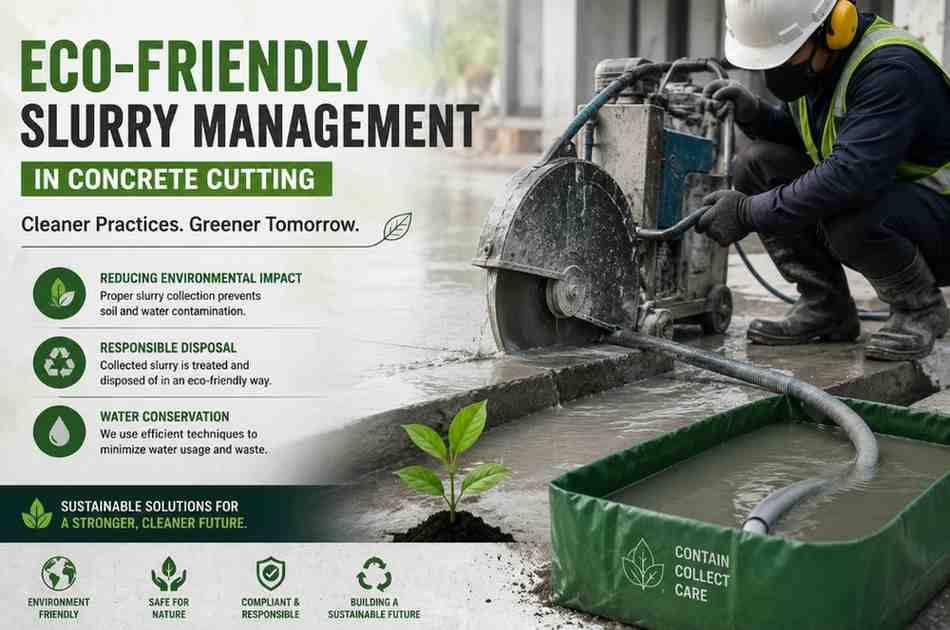
Concrete cutting is a routine part of modern construction, renovation, and demolition projects. Whether it's core drilling, wall sawing, or floor sawing, the process generates a byproduct that often goes unnoticed by those outside the industry: slurry. This thick, milky mixture of water, cement dust, and concrete particles may seem harmless, but if left unmanaged, it can cause serious environmental damage. At Core Cutting India ([email protected]), we believe that professional concrete cutting isn't just about precision and efficiency—it's also about responsibility. This blog explores what concrete slurry is, why it matters, and how eco-friendly slurry management practices are shaping a more sustainable construction industry.
What Is Concrete Slurry?
When concrete is cut using diamond blades and water-cooled equipment, the friction between the blade and the concrete surface generates heat. Water is used to cool the blade and suppress dust, and as it mixes with the pulverized concrete, it forms a thick, alkaline slurry. This slurry typically has a pH level between 11 and 13, making it highly caustic—similar to substances like ammonia or bleach.
While it might look like harmless wet mud, concrete slurry contains fine particles of cement, silica, and sometimes traces of heavy metals depending on the composition of the original concrete mix. If it enters soil, stormwater drains, or nearby water bodies, it can alter pH levels, harm aquatic life, and contaminate groundwater. This is why regulatory bodies across the world, including in India, have started tightening rules around how construction slurry must be handled, transported, and disposed of.
Why Eco-Friendly Slurry Management Matters
The construction industry has historically treated slurry as an afterthought—something to be hosed away or left to dry on-site. However, as environmental awareness grows and regulations become stricter, this approach is no longer acceptable. Here's why responsible slurry management deserves serious attention.
1. Protecting Water Bodies and Soil Health
Untreated slurry that seeps into drains or open land can raise the pH of surrounding soil and water to dangerous levels. This disrupts plant growth, kills beneficial soil organisms, and can travel into rivers or lakes, affecting fish and other aquatic species. Proper containment and neutralization prevent this chain of environmental harm.
2. Regulatory Compliance
Municipal corporations and pollution control boards increasingly require construction companies to demonstrate proper waste handling protocols, including for slurry. Non-compliance can result in fines, project delays, or even work stoppages. Companies that proactively manage slurry avoid these risks and build a reputation for environmental diligence.
3. Worker and Public Safety
Wet slurry on walkways and work areas creates slipping hazards. Its high alkalinity can also cause skin and eye irritation upon contact. Efficient slurry containment and cleanup protect workers and passersby from these risks.
4. Corporate Responsibility and Client Trust
Clients—especially those working on government contracts, green building projects, or LEED-certified developments—are increasingly selective about hiring contractors who follow sustainable practices. Demonstrating eco-conscious slurry management can be a competitive advantage in winning and retaining business.
The Environmental Risks of Poor Slurry Handling
To understand why eco-friendly methods matter, it helps to look at what happens when slurry is mismanaged.
- Soil Alkalization: When slurry dries on unprotected soil, it raises the pH, making the land inhospitable for vegetation for extended periods.
- Waterway Contamination: Slurry that reaches storm drains often ends up in local water bodies untreated, since storm drains typically don't connect to treatment plants.
- Drain Blockages: Cement particles can solidify inside pipes and drainage systems, leading to costly blockages and infrastructure damage.
- Dust and Airborne Silica: Improperly dried slurry residue can release fine silica dust, a known respiratory hazard, when disturbed.
- Aesthetic and Community Impact: Slurry runoff staining pavements, building exteriors, and public spaces can create disputes with local communities and municipal authorities.
Eco-Friendly Slurry Management Techniques
Modern concrete cutting companies, including Core Cutting India, have adopted a range of practices designed to minimize the environmental footprint of slurry generated during cutting operations.
1. Slurry Containment Systems
The first line of defense is preventing slurry from spreading beyond the work area. This is achieved using containment mats, berms, or vacuum skirts placed around the cutting zone. These barriers ensure that slurry stays confined to a manageable area rather than flowing freely across the site.
2. Wet Vacuum Extraction
Instead of allowing slurry to pool and dry, professional crews use high-powered wet vacuum systems to extract the slurry directly at the source—right where the blade meets the concrete. This method captures the majority of the liquid waste in real time, drastically reducing runoff and surface contamination.
3. On-Site Filtration and Separation
Advanced filtration units separate solid particles from water using settling tanks, filter presses, or centrifuges. The solid cement residue can be collected as a semi-dry cake, while the filtered water can often be reused for further cutting operations or safely discharged after treatment. This closed-loop approach significantly reduces total waste volume.
4. pH Neutralization
Because raw slurry is highly alkaline, treating it with a neutralizing agent before disposal is a critical step. CO2 injection, citric acid, or other approved neutralizing compounds bring the pH closer to a safe, neutral range (around 6-8), making the residual water safe for controlled discharge in compliance with local environmental norms.
5. Solid Waste Recycling
Once slurry is dewatered and solidified, the resulting cement cake can sometimes be repurposed. Depending on its composition, it may be used as a sub-base material in road construction, incorporated into new concrete mixes at reduced ratios, or processed further for aggregate recovery. This reduces the amount of waste sent to landfills.
6. Designated Disposal and Transport
For residue that cannot be recycled on-site, licensed waste management partners transport it to approved disposal or treatment facilities. Maintaining proper documentation and chain-of-custody records ensures full regulatory compliance and traceability.
7. Water Recycling and Reuse
Many eco-conscious concrete cutting companies now integrate water recycling units into their equipment. Filtered and treated water from the slurry process is redirected back into the cutting system, minimizing fresh water consumption on-site—an especially valuable practice in water-scarce regions.
Equipment That Supports Sustainable Slurry Management
Adopting eco-friendly slurry practices requires the right tools. Some of the essential equipment used by professional concrete cutting teams includes:
- Slurry Vacuums: Industrial-grade wet vacuums designed to handle abrasive, alkaline slurry without clogging or corrosion.
- Containment Mats and Berms: Portable barriers that redirect slurry flow into collection points.
- Filter Press Units: Machines that mechanically separate water from solid particles under pressure.
- Settling Tanks: Tanks that allow gravity to separate solids from liquid over time, often used alongside filtration.
- pH Testing Kits: On-site tools to verify neutralization before any water is discharged.
- Sealed Transport Containers: Leak-proof containers used to move solid residue to disposal or recycling facilities without spillage.
Investing in this equipment isn't just about compliance—it reflects a company's overall commitment to responsible construction practices.
Best Practices for Contractors and Site Managers
If you're managing a construction or renovation project that involves concrete cutting, here are some practical steps to ensure slurry is handled responsibly:
- Plan Ahead: Identify how slurry will be contained and managed before cutting begins, not after.
- Choose Experienced Contractors: Work with concrete cutting companies that have documented slurry management protocols, like Core Cutting India.
- Verify Local Regulations: Environmental rules vary by municipality and state, so confirm what's required for your specific project location.
- Request Documentation: Ask contractors for proof of proper slurry disposal, including transport and treatment records.
- Avoid Drain Discharge: Never allow slurry, even diluted, to enter storm drains or open water sources.
- Train Site Staff: Ensure everyone on-site understands why slurry containment matters and how to respond if a spill occurs.
- Consider Water Reuse: Ask contractors whether filtered water can be reused for cutting, reducing overall water consumption.
The Role of Technology in Modern Slurry Management
As sustainability becomes a bigger priority in construction, technology is playing an increasingly important role in slurry management. Automated pH monitoring sensors can now provide real-time alerts if slurry water falls outside safe discharge ranges. Mobile filtration units allow crews to treat and recycle water directly at remote job sites, reducing the need for transport altogether. Some companies are also exploring the use of slurry byproducts in alternative building materials, turning what was once considered pure waste into a resource.
These innovations align with a broader shift in the construction industry toward circular practices—where waste from one process becomes an input for another, rather than simply being discarded.
Why Choose Core Cutting India for Environmentally Responsible Concrete Cutting
At Core Cutting India, sustainability isn't an afterthought—it's built into how we approach every project. Our teams use professional-grade wet vacuum extraction, on-site filtration, and pH neutralization to ensure that slurry generated during cutting, drilling, and sawing operations is handled safely and in compliance with environmental regulations. We work closely with clients across residential, commercial, and industrial projects to minimize environmental impact without compromising on cutting precision or project timelines.
Whether you're planning a small renovation or a large-scale demolition project, our team can walk you through our slurry management process and how it fits into your site's specific requirements. We believe that responsible construction practices benefit everyone—from the workers on-site to the communities and ecosystems surrounding every project.
Conclusion
Eco-friendly slurry management is no longer optional in the concrete cutting industry—it's a necessity driven by environmental responsibility, regulatory compliance, and client expectations. From containment and vacuum extraction to filtration, neutralization, and recycling, every step in the process contributes to reducing the environmental footprint of construction activities. As technology continues to advance and regulations tighten, companies that prioritize sustainable slurry practices will be better positioned to serve clients who value both quality workmanship and environmental stewardship.
At Core Cutting India, we're committed to leading by example in this space. To learn more about our eco-friendly concrete cutting services or to discuss your next project, reach out to us at [email protected].
Frequently Asked Questions
What is concrete slurry and why is it harmful? Concrete slurry is the wet, alkaline mixture of water and cement particles produced during concrete cutting. Its high pH and fine particulate content can harm soil, water bodies, and aquatic life if released untreated.
How do you dispose of concrete cutting slurry safely? Safe disposal involves containing the slurry on-site, extracting it with vacuum systems, filtering out solids, neutralizing its pH, and transporting any remaining residue to an approved disposal or recycling facility.
Is concrete slurry considered hazardous waste? Concrete slurry is generally classified as a non-hazardous but environmentally regulated waste due to its high alkalinity. Local regulations determine specific handling and disposal requirements.
Can concrete slurry be recycled or reused? Yes. Once dewatered, solid slurry residue can sometimes be reused as sub-base material or processed for aggregate recovery, while filtered water can often be reused in future cutting operations.
What equipment is used for slurry management during concrete cutting? Common equipment includes slurry vacuums, containment mats, filter presses, settling tanks, pH testing kits, and sealed transport containers for residue disposal.