
Introduction
In the world of electrical installation, precision is not just a preference; it is a necessity. Whether you are working on a high-rise commercial building or a residential renovation, routing electrical conduit through concrete, masonry, or stone requires a method that maintains structural integrity while delivering perfect results. This is where electrical conduit core drilling comes into play.
Unlike traditional hammer drilling, which can crack, shatter, or vibrate sensitive materials, core drilling offers a clean, controlled, and professional solution. At [email protected], we understand that the success of your electrical project depends on the accuracy of your penetrations. This guide provides an in-depth look at the process, best practices, and essential safety measures to ensure you achieve professional-grade results.
What is Electrical Conduit Core Drilling?
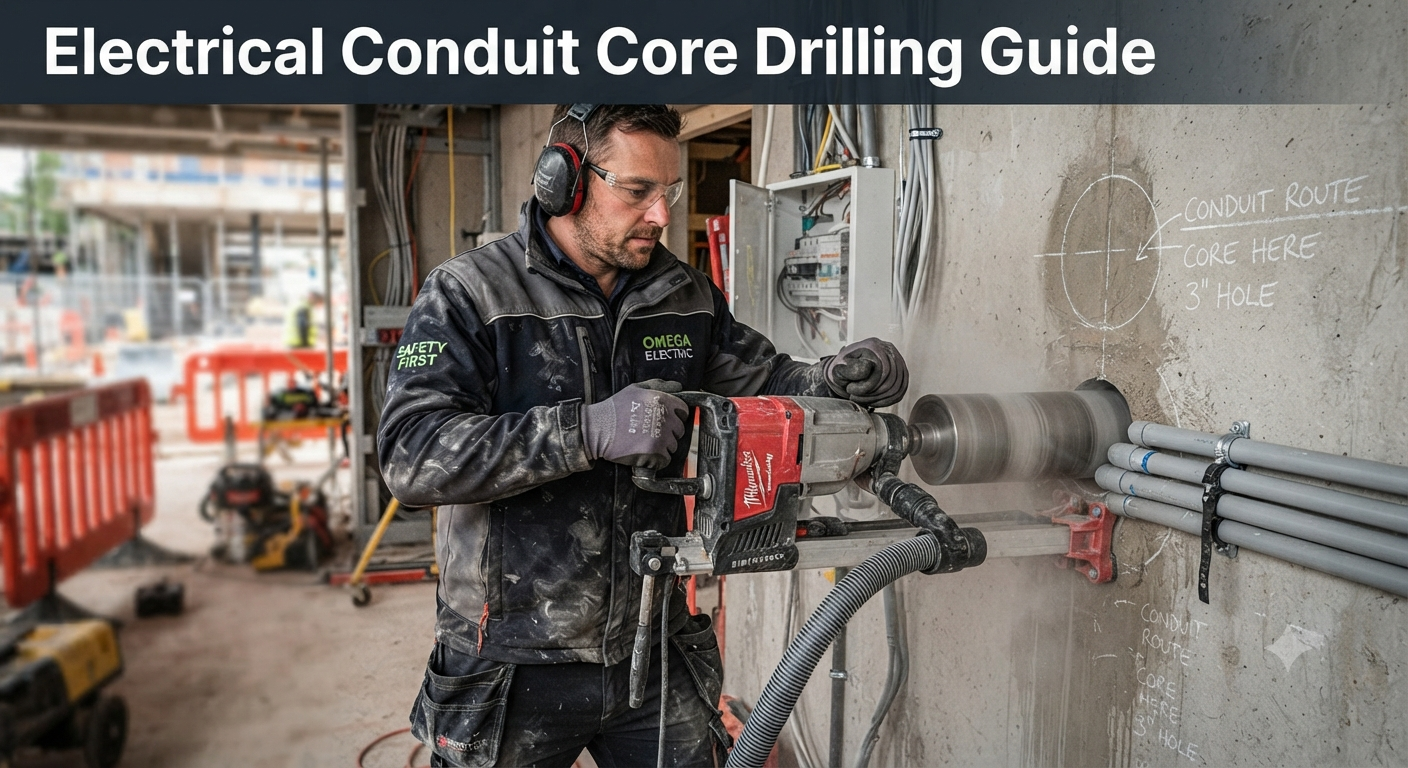
Core drilling is a specialized construction technique used to create perfectly circular holes in hard materials like reinforced concrete, brick, stone, and asphalt. Unlike standard bits that grind away all the material in their path, a core drill—fitted with a diamond-tipped cylindrical bit—removes only the circumference of the hole. This leaves behind a solid "core" of material, resulting in a smooth, accurate hole that fits the conduit perfectly.
For electricians, this method is invaluable for routing conduits, wires, and cables through floors, walls, and beams with minimal disruption to the surrounding structure.
Why Choose Core Drilling Over Hammer Drilling?
-
Structural Integrity: Hammer drilling causes vibration and micro-fractures, which can weaken concrete. Core drilling is a low-vibration process that preserves the surrounding material.
-
Precision: Core drills provide exact diameters, ensuring a snug, professional fit for conduits.
-
Clean Results: The process results in clean, smooth-edged holes, reducing the need for costly patch-up work or finishing.
-
Versatility: Whether you need to drill through steel-reinforced concrete or delicate masonry, diamond core drilling handles the job efficiently.
Essential Preparation: The "Scan-Before-You-Core" Rule
One of the most critical steps in any core drilling project is preparation. Drilling blindly is a recipe for disaster.
1. Site Assessment and Scanning
Before a single hole is made, use Ground Penetrating Radar (GPR) or high-quality metal detectors to scan the area. This is essential for:
-
Locating Rebar: Hitting steel reinforcement can damage bits and compromise structural integrity.
-
Avoiding Embedded Conduits: Accidentally severing existing electrical lines or plumbing is dangerous and expensive.
-
Identifying Post-Tension Cables: Cutting a post-tension cable in a deck can lead to catastrophic structural failure.
2. Planning the Penetration Schedule
Determine the exact size of the hole needed. Standard electrical conduits typically require core sizes between 1" and 4". Having a clear plan—marked clearly on the concrete surface—prevents costly errors.
Step-by-Step Guide to Electrical Conduit Core Drilling
Achieving a clean, professional hole requires following a structured process.
Step 1: Tool Selection
-
Diamond Core Bits: Use high-quality diamond-tipped bits. Match the bit size to your conduit diameter.
-
Drill Power: Ensure your drill is capable of handling the material. A power drill with 800–1300 watts is standard for most jobs.
-
Anchoring: Secure the drill rig to the surface using anchors or shoring to prevent the drill from binding or wandering.
Step 2: Set-Up
-
Water Supply: If using a wet-cutting technique (recommended for most concrete jobs), ensure a steady flow of water to cool the bit and flush out debris.
-
Stabilization: Ensure the drill is perfectly level and firmly anchored before starting.
Step 3: Execution
-
Start Slowly: Begin with the pilot bit to ensure accuracy. Apply light pressure until the core bit engages with the surface.
-
Controlled Speed: Maintain a consistent speed and pressure. Do not force the bit; let the diamond teeth do the work.
-
Clearing Slurry: Periodically withdraw the bit to clear debris or check the water flow if it’s a deep hole.
Step 4: Finishing
-
Once the bit breaks through the other side, carefully remove the drill and the core. Inspect the hole for alignment and smoothness.
Common Mistakes to Avoid
Even professionals can run into issues if they aren't careful. Avoid these common pitfalls to ensure your project stays on schedule:
-
Using the Wrong Bit: Using a masonry bit instead of a diamond-tipped core bit will lead to slow progress and potential equipment damage.
-
Ignoring Reinforcement: Drilling through rebar requires a change in speed and technique. Always be prepared to handle embedded metal.
-
Applying Excessive Pressure: Many believe more pressure equals faster cutting. In reality, it causes overheating, which wears out your diamond segments prematurely.
-
Neglecting Dust/Slurry Control: Without proper water or dust extraction, your workspace will become messy and hazardous.
Safety First: Protecting Your Team
Core drilling is a high-power operation. Safety must be your top priority.
-
PPE: Always wear approved hard hats, safety boots, eye protection, ear protection, and high-quality dust masks.
-
Electrical Hazards: Keep power cords away from water. Use ground-fault circuit interrupter (GFCI) protection for all electrical equipment.
-
Barriers: When drilling through floors, always barricade the area below to protect workers from falling cores or debris.
-
Ergonomics: Use proper lifting techniques for heavy drills and ensure a stable footing at all times.
Conclusion: When to Call the Professionals
While DIYers can handle smaller projects, large-scale commercial work, deep penetrations, or projects involving complex reinforced concrete are best left to the experts. Professional drilling services have the specialized equipment, experience, and insurance to handle complex tasks quickly and safely.
If you are planning an electrical installation and need precise, clean, and reliable core cutting services, contact us at [email protected]. We are committed to providing superior service to help your project succeed from the ground up.
Target-Related Searches
-
Concrete coring services near me
-
Diamond core drilling for electrical conduit
-
Post-tension slab drilling safety
-
Core drilling hole sizes for plumbing and electric
-
Professional concrete cutting and coring
People Also Ask
Q: Can I core drill through a post-tensioned slab? A: Yes, but only after GPR scanning. Cutting a post-tension cable is extremely hazardous, so always locate cables before you start.
Q: Why does water need to be used during core drilling? A: Water serves two purposes: it cools the diamond bit to prevent overheating, and it flushes out concrete slurry, which keeps the cutting path clean and efficient.
Q: How do I choose the right size core bit? A: The bit size should be slightly larger than the outside diameter of your conduit to allow for easy installation and proper sealing.
Q: What happens if I hit rebar while drilling? A: Hitting rebar can cause the drill to jump or the bit to stick. Maintain a steady, slow pace and use a bit capable of cutting through steel. If you feel excessive resistance, stop and verify the location of the reinforcement.