
Introduction
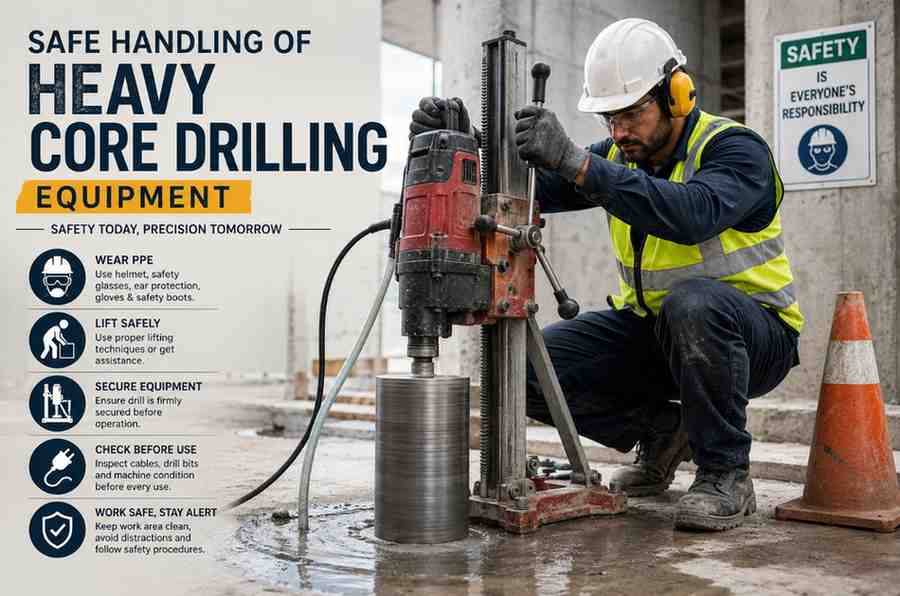
Heavy core drilling equipment plays a vital role in modern construction, civil engineering, infrastructure development, and structural modification. Whether cutting through thick reinforced concrete, dense masonry, or bedrock, core drilling machines deliver immense power and torque. However, with great power comes significant responsibility. Operating heavy industrial machinery without strict adherence to safety protocols can lead to catastrophic accidents, severe injuries, or expensive equipment damage.
At [email protected], safety is not merely an optional checklist item—it is the core foundation of every successful project. This comprehensive guide outlines the critical safety measures, pre-operational checks, anchoring techniques, personal protective equipment (PPE), and post-operational protocols required to handle heavy core drilling equipment safely and efficiently.
Understanding the Risks of Heavy Core Drilling
Before diving into operational protocols, it is crucial to understand the inherent hazards associated with heavy core drilling equipment. Recognizing these dangers helps operators maintain constant vigilance on the job site.
1. High Torque and Rotational Kickback
Heavy diamond core drills generate massive rotational force. If the core bit binds, jams, or hits embedded rebar unexpectedly, the sudden counter-rotational force can wrench the machine out of the operator’s hands, causing severe wrist, arm, or shoulder injuries.
2. Electrical Hazards
Because core drilling typically involves water delivery for cooling and dust suppression, water and high-voltage electricity often exist in close proximity. Faulty cables, ungrounded power sources, or compromised insulation can cause severe electrical shocks.
3. Structural Collapse and Falling Debris
Core drilling through floors, walls, or ceilings creates heavy cylindrical concrete cores. If these cores drop unexpectedly or if structural stability is misjudged, it can endanger workers positioned below or compromise the building framework.
4. Airborne Silica Dust and Slurry
Dry cutting concrete produces hazardous crystalline silica dust, which, when inhaled, leads to severe respiratory conditions like silicosis. Even during wet cutting, managing heavy concrete slurry is critical to prevent slip-and-fall hazards.
5. Extreme Noise and Vibration
Industrial core drilling machines generate high decibel levels and intense localized vibration, leading to noise-induced hearing loss and hand-arm vibration syndrome (HAVS) over prolonged exposure.
Pre-Operational Safety Checklist
A meticulous pre-operational inspection prevents mechanical failures and minimizes workplace incidents. Before powering up any heavy core drill, operators must complete a thorough equipment and site assessment.
+-----------------------------------------------------------------+
|              PRE-OPERATIONAL SAFETY VERIFICATION                |
+-----------------------------------------------------------------+
| [ ] Inspect electrical cords, plugs, and earth leakage devices  |
| [ ] Check core drill body and handles for cracks or wear        |
| [ ] Verify diamond core bit sharpness and segment integrity     |
| [ ] Ensure water cooling supply lines and pumps are clear       |
| [ ] Confirm safe anchoring base and structural stability        |
+-----------------------------------------------------------------+
Inspecting the Machine and Bits
-
Check for Damage: Examine the motor housing, switches, gearbox, and handles for structural cracks, loose bolts, or exposed wiring. Never operate faulty equipment.
-
Examine Drill Bits: Inspect the diamond segments on the core barrel. Worn-out, cracked, or loose segments increase friction, reduce cutting efficiency, and dramatically raise the risk of bit binding.
-
Electrical Integrity: Ensure that the power cable is free from cuts or abrasions. Verify that Residual Current Devices (RCDs) or Ground Fault Circuit Interrupters (GFCI) are fully functional.
Evaluating the Work Area
-
Hidden Utilities Scan: Always scan the drilling zone using ground-penetrating radar (GPR) or electromagnetic scanners to detect hidden electrical cables, gas lines, or water pipes.
-
Establish Exclusion Zones: Cordon off the work area using warning tape and physical barriers. If drilling through a wall or floor, secure the area on the opposite side to protect bystanders from sudden breakthroughs.
Essential Personal Protective Equipment (PPE)
Operating heavy core drilling machinery requires full compliance with industrial PPE standards. Employers and project managers linked with [email protected] mandate the following protective gear for all operators and nearby crew members:
-
Impact-Resistant Safety Goggles & Face Shields: Shields eyes and face from flying concrete chips, slurry splashes, and abrasive dust particles.
-
Hearing Protection: Heavy duty ear muffs or high-rating earplugs to mitigate continuous noise levels exceeding 80 dB(A).
-
Respiratory Protection: NIOSH-approved dust masks or half-face respirators (minimum FFP3 or P2 ratings) to filter out microscopic silica dust when dry cutting or cleaning up dry residue.
-
Industrial Safety Footwear: Steel-toed boots to protect feet from heavy dropped tools, drill components, or heavy concrete cores.
-
Fitted Hand Protection: Snug, high-grip work gloves. Crucial warning: Avoid excessively loose or bulky gloves that can get caught in the rotating core barrel.
-
Fitted Clothing: Wear high-visibility vests and tightly fitted apparel. Loose sleeves, ties, or dangling jewelry must be strictly avoided to prevent entanglement hazards.
Proper Machine Setup and Anchoring Techniques
Heavy core drills cannot be safely operated freehand beyond small diameters. Most industrial core drills require secure rig-mounting to ensure precision and operator safety.
1. Selecting the Anchor Method
-
Vacuum Base Stands: Suitable only for smooth, horizontal, non-porous concrete surfaces. Never use a vacuum base stand on vertical walls or overhead ceilings, as loss of suction will cause the entire rig to detach.
-
Mechanical Anchors / Bolt-Down Method: The gold standard for heavy-duty drilling on walls, floors, and angles. Drill an appropriately sized hole, insert a heavy-duty concrete anchor, and bolt the drill rig stand tightly to the surface.
-
Ceiling Jacks: Used in combination with column-mounted rigs to wedge the stand securely between the floor and ceiling without drilling extra anchor holes.
2. Alignment and Stability
Ensure the drill column is perfectly plumb or set to the exact required angle. Check that all leveling screws on the base are tightened to eliminate any wobbling or shifting under load. Vibrations caused by loose anchoring reduce bit life and threaten structural control.
Safe Operating Procedures (SOP) During Drilling
Execution phase safety demands steady control, careful pacing, and constant awareness of changing material resistance.
Water Cooling and Slurry Management
-
Turn on Water First: Always ensure a steady, clean flow of water through the swivel before starting the motor. Running a core drill without adequate water causes the internal water jacket seals to overheat, melt, and leak.
-
Control the Slurry: Position slurry collection rings connected to industrial wet vacuums to capture wastewater, preventing slippery floors and environmental messes.
Starting the Cut
-
Initiate at Low Speed: Engage the motor at a low RPM setting to gently establish a circular groove or kerf in the concrete. Avoid lateral skidding or bouncing.
-
Maintain Steady Feed Pressure: Once the bit has penetrated roughly 5 to 10 millimeters into the material, increase to the recommended operational speed. Let the machine do the work. Forcing or jamming the drill barrel creates excessive heat, distorts the tube, and causes segment fracture.
Navigating Steel Reinforcement (Rebar)
When the core bit encounters embedded steel rebar, distinct signs will occur: the drilling sound deepens, motor speed drops, and bright sparks or dark grey slurry may appear.
-
Reduce motor feed pressure by roughly one-third.
-
Maintain a steady, moderate rotational speed. Do not force the tool through the steel, as this strips the diamond segments instantly.
Post-Operation and Maintenance Protocols
Safety does not end when the hole is finished. Proper wrap-up protects the equipment and ensures long-term operational reliability.
-
Power Disconnection: Always turn off the machine switch and unplug the power cord (or remove battery packs) before servicing, changing bits, or cleaning.
-
Handle Hot Components: Diamond core bits and motor housings reach extremely high temperatures during operation. Allow components to cool down entirely before touching or handling them bare-handed.
-
Core Extraction: Take care when withdrawing the core barrel. If a concrete core is trapped inside the barrel, extract it carefully using proper tools rather than dropping it haphazardly, which can cause foot injuries or damage the barrel.
-
Cleaning and Storage: Wash away concrete slurry using clean water, taking care not to let moisture penetrate electrical motor windings. Store core bits in dry, secure environments to protect the precision diamond edges from chipping.
Conclusion
Handling heavy core drilling equipment demands professional competence, rigorous preparation, and unyielding adherence to safety protocols. From conducting pre-operational equipment inspections and wearing complete PPE to anchoring rigs securely and managing water cooling lines, every step mitigates risk and enhances productivity.
At [email protected], integrating safety into daily workflows safeguards our teams, protects project timelines, and guarantees superior structural outcomes. By treating heavy machinery with respect and caution, operators ensure a secure, hazard-free environment on every construction site.