
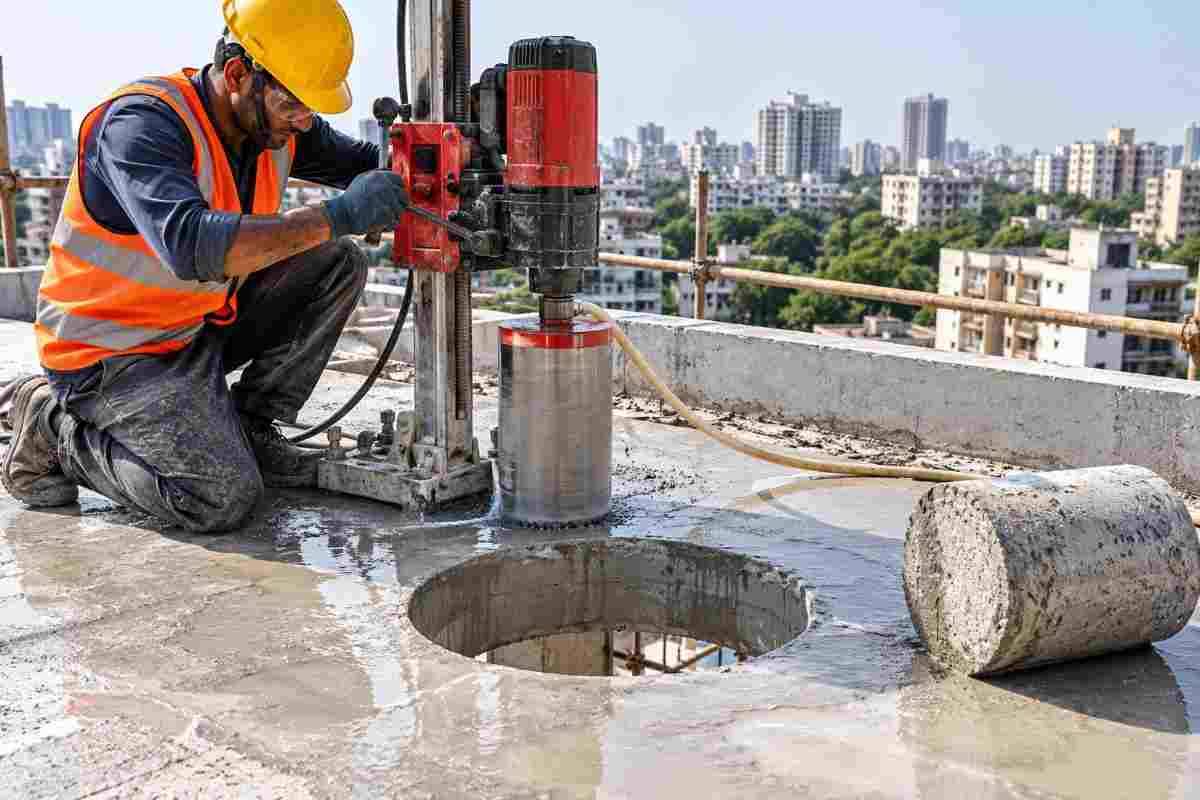
Delhi’s skyline is always changing. Families add staircases to reach a new terrace room. Businesses install lift shafts in older buildings. Builders open up slabs for skylights, ducts, and shafts. In every case, someone has to cut through a reinforced concrete (RCC) roof or slab, and doing it wrong can crack the structure, injure workers, or leave you with expensive repairs.
This guide explains how safe roof opening cutting works, what to check beforehand, which methods are used, and how to choose a contractor. It is written for homeowners, property managers, architects, and contractors in Delhi NCR. It draws on practices followed by professional concrete cutting teams such as Core Cutting India.
Why Roof Opening Cutting Is Needed in Delhi
Delhi has a huge stock of older RCC buildings, from colony houses in West Delhi to multi-storey commercial blocks in Nehru Place and Karol Bagh. Many were built without future expansion in mind. Common reasons for cutting a roof or slab opening include:
- Staircase openings to reach a terrace, mezzanine, or newly built floor
- Lift or elevator shafts retrofitted into existing buildings
- Skylights and light wells to bring natural light into dark interiors
- Ducts, pipes, and shafts for HVAC, plumbing, fire safety, or electrical lines
- Smoke vents and ventilation openings in commercial and industrial spaces
- Renovation and remodelling, such as converting a floor plan or adding a double-height space
Each opening removes concrete and sometimes steel reinforcement from a load-bearing element. That is why planning matters as much as the cutting itself.
Why “Safe” Cutting Matters
A roof slab is not just a lid. It carries loads, ties walls together, and distributes forces across beams and columns. Cutting it carelessly can cause several problems.
Structural risk. Removing a section of slab or severing the wrong rebar can weaken the surrounding structure, cause cracks, or in the worst case lead to partial collapse.
Worker and occupant safety. Heavy concrete pieces can fall without warning. Vibration, dust, and flying debris put workers and people below at risk.
Damage to the building. Traditional demolition with hammers and breakers sends vibration through the structure, cracking plaster, tiles, and nearby walls.
Legal and insurance trouble. Unauthorised structural modifications can lead to notices from the municipal authority or disputes with neighbours and co-owners.
Professional, controlled cutting avoids these problems.
Step 1: Get a Structural Assessment First
Before any cutting starts, a qualified structural engineer should assess the building. This step protects everything that follows.
The engineer will typically check:
- Slab type and thickness, whether it is a one-way slab, two-way slab, flat slab, or ribbed slab
- Reinforcement layout, including the location and spacing of main bars and distribution bars
- Load paths, meaning which beams and columns carry the slab’s load
- Building age and condition, including signs of corrosion, spalling, or earlier repairs
- Proposed opening size and position, and whether it sits too close to a beam, column, or support
In many cases the engineer will recommend supporting measures such as new trimmer beams, edge beams, or steel framing around the opening. These transfer the load that the removed concrete used to carry. Skipping this reinforcement is one of the most common and dangerous mistakes in DIY or low-cost jobs.
Step 2: Check Permissions and Regulations
Rules in Delhi depend on your building type, ownership, and area. Municipal bye-laws, building plan sanction conditions, and society or association rules can all apply. In general:
- Structural alterations to a residential building may need approval or intimation to the local authority.
- Commercial buildings often have stricter requirements, especially where fire safety, lift installation, or change of use is involved.
- Buildings in housing societies or heritage areas may need a no-objection certificate (NOC) from the society or the relevant authority.
Rules change and vary by property. Confirm the current requirements with your architect, structural engineer, or the local municipal office before starting work.
Step 3: Mark the Opening Accurately
Once the design is approved, the opening is marked on the slab. Precision matters here because cuts are permanent. Teams usually:
- Transfer dimensions from the approved drawing onto the slab with chalk or paint
- Verify the layout from both the top and bottom of the slab
- Use rebar scanners or ground-penetrating radar (GPR) to locate reinforcement, conduits, and embedded pipes
- Re-check the position relative to beams, columns, and walls
Scanning before cutting reduces the chance of hitting live electrical conduits, water pipes, or post-tension tendons. Cutting a post-tensioned slab without identifying its tendons is extremely dangerous, so this check is critical.
Step 4: Choose the Right Cutting Method
Modern concrete cutting is far cleaner and more controlled than breaking concrete with hammers. The main methods used for roof and slab openings are described below.
Slab Saw (Floor Saw) Cutting
A slab saw is a powerful machine fitted with a diamond blade that runs along the slab surface. It makes straight, accurate cuts and is well suited to large rectangular openings such as staircases and lift shafts. It works best where the slab is accessible from above.
Wall Saw Cutting
Wall saws are mounted on a track and cut with a diamond blade or wire. They are used for vertical cuts in walls and for deep cuts that a slab saw cannot reach. They are common in commercial renovations where precise, deep cuts are needed.
Core Drilling
Core drilling uses a hollow diamond bit to cut clean circular holes. For roof openings, cores are often drilled at the corners of a rectangular cut. This prevents over-cutting and gives sharp, neat corners. Core drilling is also used for smaller openings such as pipes, ducts, and drains.
Wire Saw Cutting
Wire saws use a diamond-embedded wire to cut very thick or awkwardly shaped concrete. They suit heavy structural elements and tight spaces where other machines cannot fit.
Hand Saw and Ring Saw Cutting
For small or confined areas, handheld saws can make cuts that larger machines cannot. They suit finishing work, trimming, and sections with limited access.
A reputable contractor will pick the method based on the slab thickness, location, access, and noise or dust limits, not simply on whatever equipment they own.
Step 5: Control Dust, Noise, and Vibration
One of the biggest advantages of diamond cutting over breaking is how well it controls site conditions. This matters in Delhi, where air quality is already a concern and many buildings are occupied during work.
Dust control. Wet cutting uses water to cool the blade and capture dust at the source. This keeps silica dust, a serious health hazard, out of the air. Slurry should be collected with wet vacuums and disposed of properly rather than flushed into drains.
Noise control. Diamond cutting is generally quieter than percussive demolition. Even so, schedule noisy work in line with society rules and local timing restrictions.
Vibration control. Because diamond cutting does not hammer the structure, it greatly reduces vibration. This protects adjacent walls, tiles, finishes, and sensitive equipment, which is especially valuable in occupied homes, hospitals, offices, and shops.
Step 6: Support and Remove the Cut Section Safely
Cutting a slab free is only half the job. The cut section can weigh several hundred kilograms or more, and releasing it without a plan is dangerous. Safe practice includes:
- Temporary propping below the slab to hold it before and during cutting
- Cutting into manageable pieces that can be lifted or lowered safely
- Using lifting equipment such as chain blocks, hoists, or cranes, with correct anchoring
- Securing the area below so no one stands or works under a suspended load
- Using barricades and signage to keep people away from the work zone
Where the opening is large, the slab is usually cut into smaller blocks and removed one at a time, rather than dropping the whole section.
Step 7: Handle the Rebar and Finish the Edges
When concrete is cut, exposed steel reinforcement must be dealt with according to the engineer’s design. The bars may be cut flush, bent and anchored, or tied into new trimmer beams or edge framing.
Once the opening is complete, finishing work typically includes:
- Cleaning and inspecting the cut edges
- Applying anti-corrosion treatment to exposed steel
- Casting or fixing support beams and edge reinforcement
- Applying waterproofing around the opening, especially for roofs and skylights
- Fixing railings, frames, or covers to protect against falls
Waterproofing deserves special attention in Delhi, where monsoon rains can find any weakness in a fresh opening. A poorly sealed edge can cause leakage and long-term damage to the structure.
Residential vs Commercial Roof Opening: Key Differences
Residential projects are usually smaller and involve staircases, skylights, and small shafts. The main concerns are keeping the family safe, limiting disruption, and controlling dust and noise in a lived-in home.
Commercial projects tend to be larger and more complex. They often involve lift shafts, HVAC openings, escalator voids, and fire-safety shafts. Timelines are tighter, work may need to happen after business hours, and compliance requirements are stricter. Commercial jobs often need detailed method statements, risk assessments, and coordination with other contractors on site.
Whichever type of building you own, the basics stay the same: assess first, cut precisely, control the site, and finish properly.
Common Mistakes to Avoid
- Skipping the structural engineer to save money
- Using hammers or breakers on a structural slab
- Not scanning for rebar, pipes, and conduits before cutting
- Failing to prop the slab before cutting
- Ignoring dust and water control, creating health risks and mess
- Hiring on price alone without checking experience, equipment, or safety practices
- Leaving edges unsealed, leading to leaks and corrosion
- Starting work without permissions and facing penalties later
How to Choose a Roof Cutting Contractor in Delhi
Not every contractor with a drill is equipped for structural cutting. When you compare options, look for:
- Relevant experience with both residential and commercial slab cutting
- Modern diamond equipment, including slab saws, wall saws, and core drilling machines
- Trained operators who understand reinforcement, loads, and site safety
- Clear safety practices, including propping, barricading, and protective equipment
- Dust and slurry management as a standard part of the service
- A willingness to work with your engineer or architect rather than around them
- Transparent quotations that explain scope, method, and timeline
- References or past project examples you can check
Specialist providers such as Core Cutting India focus on precision concrete cutting, so you get purpose-built equipment and trained teams rather than general demolition labour. Ask any contractor, ours included, to explain their method for your specific slab before you commit.
What Affects the Cost of Roof Opening Cutting?
Costs vary widely, so rather than quote a figure, here are the factors that move the price:
- Slab thickness and depth of cut
- Size and shape of the opening
- Amount and size of reinforcement
- Site access and working height
- Cutting method required
- Debris removal and slurry handling
- Structural support and finishing work
- Working hours, such as night or weekend shifts
- Location and logistics within Delhi NCR
Always ask for a written quotation that lists what is included, so you can compare offers fairly.
Frequently Asked Questions
Can I cut an opening in my RCC roof without damaging the structure?
Yes, if the work is planned and done correctly. A structural engineer should confirm that the opening is feasible and design any added support. Diamond cutting then removes the concrete cleanly without the heavy vibration that causes cracks.
Do I need permission to cut an opening in my slab in Delhi?
It depends on your building and the nature of the change. Structural alterations may need approval, and societies or associations may have their own rules. Check with your architect or the relevant authority before starting.
What is the safest way to cut a concrete roof?
Diamond cutting with slab saws, wall saws, or core drilling is widely considered the safest and most precise approach. It should be combined with propping, dust control, and controlled removal of the cut sections.
How long does a roof opening cutting job take?
A small opening may take a few hours, while large staircase or lift openings can take a day or more. The time depends on slab thickness, reinforcement, access, and the finishing work required.
Is concrete cutting noisy or dusty?
Wet diamond cutting produces much less dust than breaking concrete, and it is generally quieter. Some noise is unavoidable, so plan around occupants’ needs and local timing rules.
Can openings be cut in older buildings?
Often yes, but older buildings need extra care. Their concrete quality, reinforcement, and condition can vary, so an engineer’s assessment is essential.
What if the slab has pipes or electrical conduits inside?
These should be located with scanning equipment before cutting. Services may need to be isolated or rerouted, and your contractor should coordinate this in advance.
Who removes the debris after cutting?
This should be agreed in the quotation. Many professional contractors include debris handling or can arrange it, but always confirm in writing.
Final Thoughts
A roof opening can transform a building, whether it adds a staircase, brings in daylight, or makes room for a lift. But the structure above and below is only as safe as the planning and method behind the cut. Start with a structural assessment, confirm permissions, scan before you cut, use controlled diamond methods, and finish the edges properly.
If you are planning a staircase, lift shaft, skylight, or service opening in Delhi NCR, talk to a specialist who treats safety and precision as the baseline. Visit corecuttingindia.com to learn about concrete cutting services and to discuss your project requirements.