
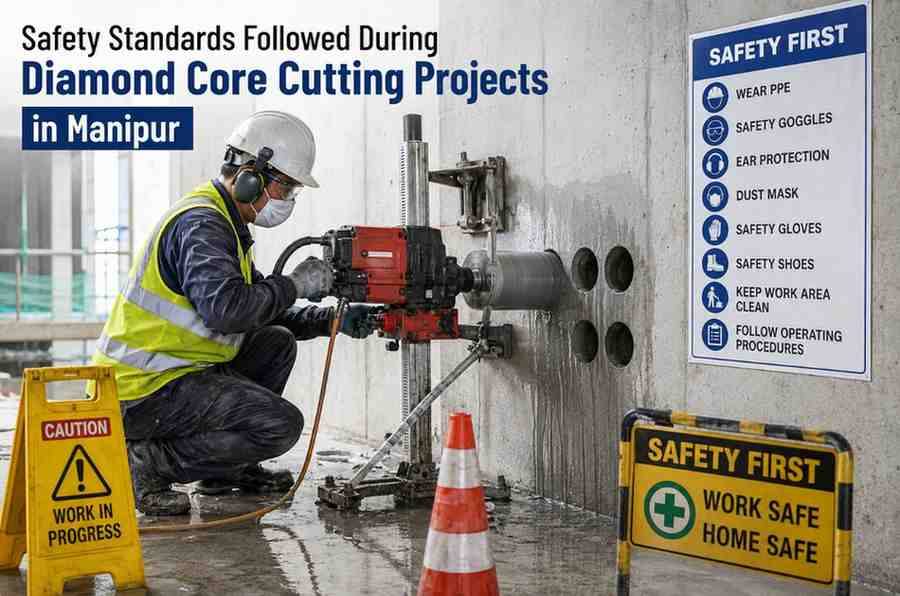
Diamond core cutting is one of the most precise and efficient methods used in modern construction projects. From creating openings for plumbing and electrical systems to structural modifications in residential, commercial, and industrial buildings, diamond core cutting has become an essential service. However, because the process involves powerful machinery, reinforced concrete, water, electricity, and heavy equipment, strict safety standards must be followed.
In Manipur, where infrastructure development is growing rapidly, professional contractors prioritize safety to ensure smooth project execution. Following proper safety measures not only protects workers but also prevents structural damage and costly delays.
In this guide, we will discuss the safety standards followed during diamond core cutting projects in Manipur and explain why professional safety practices are essential for every construction site.
Website: https://corecuttingindia.com/
https://corecuttingindia.com/manipur/thoubal/core-cutting-service/
What Is Diamond Core Cutting?
Diamond core cutting is a construction technique that uses a rotating drill fitted with diamond-tipped blades to create precise holes in reinforced concrete, brick walls, stone, and asphalt.
The process is commonly used for:
- Electrical conduit installation
- Plumbing pipe openings
- HVAC duct installation
- Fire-fighting pipelines
- Lift shaft construction
- Structural testing
- Drainage systems
- Cable routing
- Industrial projects
Because the equipment operates at high speeds, safety standards play a critical role in preventing accidents.
Why Safety Standards Are Important in Diamond Core Cutting Projects
Ignoring safety protocols can result in:
- Worker injuries
- Electric shocks
- Dust inhalation
- Equipment damage
- Structural cracks
- Project delays
- Fire hazards
- Noise-related health issues
Professional core cutting companies in Manipur follow strict safety regulations to minimize these risks.
Major Safety Standards Followed During Diamond Core Cutting Projects in Manipur
1. Site Inspection Before Starting Work
Before drilling begins, engineers inspect the entire work area.
The inspection includes:
- Concrete thickness analysis
- Structural assessment
- Electrical wiring identification
- Water pipeline location
- Gas line inspection
- Underground utility mapping
A complete survey ensures that drilling does not damage existing services.
2. Structural Analysis and Load Assessment
Core cutting should never compromise the strength of a building.
Experts analyze:
- RCC beam strength
- Column load capacity
- Slab thickness
- Reinforcement placement
- Structural drawings
This process helps determine whether the planned cutting location is safe.
3. Concrete Scanning and Utility Detection
Professional contractors use scanning equipment to locate hidden objects inside concrete.
Scanning identifies:
- Steel reinforcement bars
- Electrical cables
- Water pipelines
- Gas lines
- Post-tension cables
Cutting without scanning can lead to severe accidents.
4. Risk Assessment and Safety Planning
Before work begins, contractors prepare a risk assessment report.
The report includes:
- Hazard identification
- Emergency procedures
- Safety controls
- Equipment inspection
- Worker responsibilities
Risk assessments reduce the chances of unexpected incidents.
5. Mandatory Personal Protective Equipment (PPE)
Every worker involved in diamond core cutting projects in Manipur must wear proper PPE.
Essential safety equipment includes:
- Safety helmets
- Safety goggles
- Face shields
- Ear protection
- Dust masks
- Safety gloves
- Reflective jackets
- Steel-toe safety shoes
PPE minimizes injuries caused by dust, debris, and machinery.
6. Electrical Safety Measures
Water is often used during diamond drilling to cool the drill bit and reduce dust. Since water and electricity can be dangerous together, strict electrical safety procedures are followed.
Safety measures include:
- Proper earthing
- Insulated cables
- Waterproof electrical connections
- Circuit breakers
- Regular cable inspection
- Ground fault protection
These measures help prevent electrical accidents.
7. Dust Control Standards
Although wet drilling significantly reduces dust, some dust may still be generated.
Dust control methods include:
- Water suppression systems
- Industrial vacuum cleaners
- Dust extraction units
- Protective masks
- Ventilation systems
Controlling dust protects workers from respiratory diseases.
8. Noise Control Measures
Diamond cutting equipment generates high noise levels.
Contractors reduce noise exposure by using:
- Ear protection
- Low-noise machinery
- Noise barriers
- Scheduled work hours
- Equipment maintenance
Noise management improves worker safety and comfort.
9. Equipment Inspection and Maintenance
Professional companies inspect all equipment before every project.
Inspection includes:
- Drill motor condition
- Diamond blade quality
- Hydraulic systems
- Electrical cables
- Fasteners and bolts
- Cooling systems
Regular maintenance prevents machine failure.
10. Operator Training and Certification
Only trained professionals should operate diamond core cutting machines.
Workers receive training in:
- Equipment operation
- Emergency procedures
- Hazard management
- Safe lifting techniques
- Electrical safety
- PPE usage
Well-trained operators ensure efficient and safe project execution.
Safety Standards for Working at Height
Many core cutting projects in Manipur involve work on elevated structures.
Safety precautions include:
- Safety harnesses
- Guard rails
- Fall protection systems
- Secure ladders
- Scaffolding inspection
- Safety nets
Fall protection is essential for worker safety.
Safe Water Management During Core Cutting
Water plays a crucial role in diamond drilling.
Professional contractors follow these safety measures:
- Controlled water flow
- Proper drainage systems
- Water collection trays
- Slip prevention methods
- Electrical isolation
Good water management prevents accidents at the worksite.
Safe Handling of Heavy Equipment
Diamond drilling machines are heavy and require proper handling.
Safety procedures include:
- Mechanical lifting tools
- Team lifting techniques
- Equipment stabilization
- Proper transportation
- Storage guidelines
These practices reduce the risk of injuries.
Fire Safety Standards
Construction sites can be vulnerable to fire hazards.
Professional contractors maintain:
- Fire extinguishers
- Emergency exits
- Fire response plans
- Electrical inspections
- Fuel storage controls
Emergency preparedness improves site safety.
Emergency Response Procedures
Every professional core cutting project follows an emergency plan.
The emergency plan includes:
- First-aid kits
- Emergency contacts
- Rescue procedures
- Evacuation routes
- Medical support
Quick response systems save lives during emergencies.
Environmental Safety Measures
Diamond core cutting companies in Manipur also follow environmental safety practices.
These include:
- Slurry collection
- Waste disposal
- Water recycling
- Dust suppression
- Noise reduction
- Site cleanup
Environmental protection is an important aspect of modern construction.
Safety Checklist Before Starting Diamond Core Cutting
A standard safety checklist includes:
✓ Structural approval
✓ Utility scanning completed
✓ Equipment inspection
✓ PPE available
✓ Electrical safety verified
✓ Emergency kit ready
✓ Worker briefing completed
✓ Work permit issued
✓ Water management system installed
✓ Warning signs placed
Common Hazards During Diamond Core Cutting
Potential hazards include:
- Electric shocks
- Falling debris
- Dust exposure
- Noise pollution
- Machine failure
- Slips and falls
- Structural damage
- Water leakage
Following safety standards minimizes these risks.
Benefits of Following Safety Standards
Proper safety practices provide several advantages:
- Better worker protection
- Faster project completion
- Reduced accidents
- Lower repair costs
- Improved efficiency
- Higher work quality
- Legal compliance
- Better customer confidence
Safety is an investment that benefits everyone involved in the project.
Why Hire Professional Diamond Core Cutting Services in Manipur?
Professional contractors provide:
- Advanced equipment
- Certified operators
- Structural expertise
- Complete safety compliance
- Fast project execution
- Accurate drilling
- Minimal vibration
- Dust-free operation
Hiring experienced professionals ensures quality and safety.
Future of Safety in Diamond Core Cutting Projects
Modern technologies are making construction safer than ever.
Future safety innovations include:
- AI-based scanning
- Smart sensors
- Automated drilling systems
- Remote-controlled machines
- Real-time monitoring
- Digital safety inspections
These technologies will improve safety standards in Manipur's construction industry.
Conclusion
Diamond core cutting is an essential construction process, but safety should always be the highest priority. Professional contractors in Manipur follow strict standards such as site inspections, structural assessments, utility scanning, PPE requirements, electrical safety protocols, dust control measures, and emergency planning.
By following these safety guidelines, contractors ensure worker protection, structural stability, and successful project completion. Whether the project involves residential buildings, commercial complexes, or industrial facilities, proper safety standards are critical for achieving the best results.
For professional and safe diamond core cutting services, contact:
Website: https://corecuttingindia.com/
Target Related Searches
- Diamond core cutting services in Manipur
- RCC core drilling contractors in Manipur
- Concrete cutting safety standards
- Wall cutting services in Manipur
- Slab cutting safety measures
- Concrete drilling safety checklist
- Diamond drilling contractors near me
- Professional core cutting company in Manipur
- Structural cutting services in Manipur
- Construction safety practices in India
People Also Ask (PAA)
1. What safety equipment is required during diamond core cutting?
Workers must wear helmets, gloves, goggles, safety shoes, ear protection, and dust masks.
2. Is diamond core cutting safe for RCC buildings?
Yes, when performed by trained professionals using proper safety standards and structural analysis.
3. Why is concrete scanning important before core cutting?
Concrete scanning helps locate reinforcement bars, electrical cables, and pipelines.
4. How is dust controlled during diamond drilling?
Dust is controlled using water suppression systems and industrial vacuum machines.
5. What are the major risks involved in diamond core cutting?
The main risks include electric shocks, dust inhalation, falling debris, and machine accidents.
6. Why should professionals handle diamond core cutting projects?
Professionals follow safety regulations, use advanced equipment, and ensure accurate and damage-free cutting.
7. What PPE is mandatory during concrete cutting?
Helmets, gloves, safety glasses, reflective jackets, ear protection, and safety shoes are mandatory.
8. How do contractors prevent electrical accidents during wet drilling?
They use waterproof connections, proper grounding, and circuit breakers.