
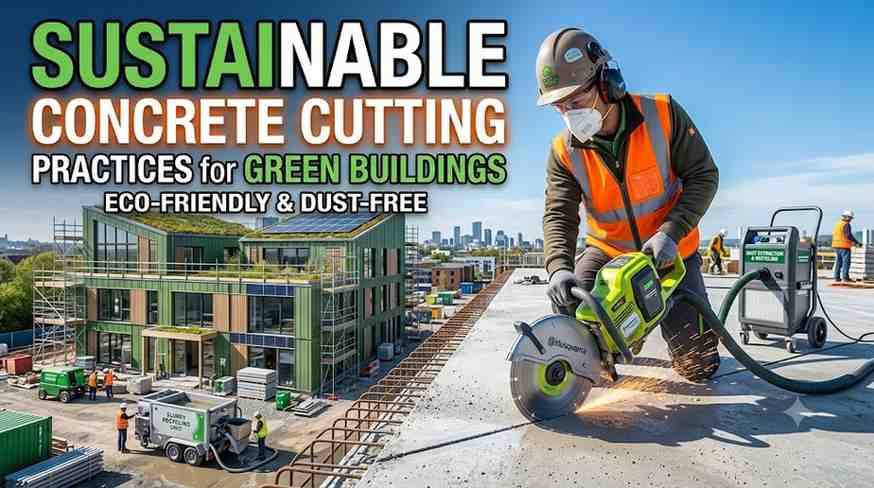
Introduction
As the construction industry shifts toward environmentally responsible building practices, every stage of a project — from design to demolition — is being re-evaluated through a sustainability lens. One area that often gets overlooked is concrete cutting. Whether it's for renovation, retrofitting, utility installation, or structural modification, concrete cutting is a routine but resource-intensive activity. At Core Cutting India ([email protected]), we believe that sustainable concrete cutting practices are not just a compliance checkbox but a genuine opportunity to reduce the environmental footprint of construction and renovation projects while supporting the broader goals of green building certification.
This blog explores what sustainable concrete cutting really means, why it matters for green buildings, and the specific techniques and practices that construction professionals can adopt to make their projects more environmentally responsible.
Why Concrete Cutting Matters in Green Building Projects
Concrete is the most widely used building material in the world, and cutting it — whether for creating openings, removing damaged sections, or preparing surfaces — is an unavoidable part of construction and renovation. Traditional concrete cutting methods can generate significant amounts of dust, noise, water runoff, and waste material, all of which can undermine the environmental goals of a project.
Green building certifications such as LEED (Leadership in Energy and Environmental Design), IGBC (Indian Green Building Council), and GRIHA (Green Rating for Integrated Habitat Assessment) increasingly evaluate not just the finished building but the construction process itself. This means contractors and cutting service providers need to think carefully about how their methods align with sustainability criteria, including waste management, air quality, water conservation, and energy efficiency.
What Makes Concrete Cutting "Sustainable"?
Sustainable concrete cutting refers to techniques and practices that minimize environmental harm throughout the cutting process. This includes:
- Reducing airborne dust and particulate emissions
- Conserving and responsibly managing water used in wet-cutting methods
- Minimizing noise pollution
- Reducing energy consumption of cutting equipment
- Recycling or repurposing concrete debris
- Using equipment with lower emissions and better fuel efficiency
- Ensuring worker safety through controlled, precise cutting rather than destructive demolition
Unlike conventional demolition, which often relies on breaking or jackhammering concrete (leading to excessive dust, structural micro-cracking, and unusable debris), modern sustainable cutting techniques rely on precision tools like diamond blades and core drills that create clean, controlled cuts with minimal collateral damage.
Key Sustainable Concrete Cutting Techniques
1. Diamond Core Drilling
Diamond core drilling is one of the most precise and environmentally friendly concrete cutting methods available. It uses diamond-tipped drill bits to create clean, circular holes in concrete, commonly used for installing pipes, cables, and ventilation systems. Because the process is controlled and generates minimal vibration, it reduces structural stress on the surrounding building and produces less waste material compared to traditional drilling or breaking methods.
2. Wall Sawing with Water Recycling Systems
Wall sawing is used to cut openings for doors, windows, and other structural modifications. Traditionally, this process requires significant water for dust suppression and blade cooling. Sustainable wall sawing incorporates water recycling systems that capture, filter, and reuse water during the cutting process, drastically reducing overall water consumption — an important consideration in water-stressed regions.
3. Dustless (Dry) Cutting with HEPA Filtration
For projects where wet cutting isn't feasible, dustless cutting technology paired with HEPA-filtered vacuum systems captures airborne concrete dust at the source. This not only protects worker health by reducing exposure to silica dust (a known respiratory hazard) but also prevents dust contamination of surrounding areas, which is particularly important for occupied buildings undergoing renovation.
4. Wire Sawing for Large-Scale Cuts
Wire sawing uses a diamond-embedded wire loop to cut through large sections of concrete, including reinforced structures. This method is highly energy-efficient compared to alternatives and produces minimal vibration and noise, making it suitable for sensitive environments such as hospitals, schools, and occupied commercial buildings.
5. Precision Slab Sawing
Slab sawing is used for cutting horizontal concrete surfaces such as floors and pavements. Sustainable slab sawing practices focus on precise measurements to avoid over-cutting, which reduces material waste and the energy required for the job. Combined with water containment systems, slab sawing can be executed with minimal environmental disruption.
Dust and Air Quality Management
Airborne silica dust generated during concrete cutting is a serious environmental and occupational health concern. Sustainable practices prioritize:
- Wet cutting methods that suppress dust at the point of contact
- Vacuum dust extraction systems attached directly to cutting tools
- Enclosed containment areas for indoor cutting projects to prevent dust migration
- Regular equipment maintenance to ensure filtration systems function optimally
These measures not only protect the health of workers and building occupants but also help projects meet indoor air quality requirements set by green building rating systems.
Water Conservation in Concrete Cutting
Water is essential for many concrete cutting techniques, primarily for cooling blades and suppressing dust. However, indiscriminate water use can be wasteful and can create runoff issues, especially when the water carries concrete slurry that may contain harmful alkaline residues.
Sustainable concrete cutting practices address this through:
- Closed-loop water recycling systems that filter and reuse water multiple times
- Slurry containment and proper disposal to prevent contamination of soil and waterways
- Metering and monitoring water usage to identify opportunities for reduction
- Using minimal-water or dry-cutting alternatives where appropriate
Noise Pollution Control
While often overlooked in sustainability discussions, noise pollution is a genuine environmental and community health concern, particularly for projects near residential areas, hospitals, or schools. Sustainable cutting practices favor equipment and techniques — such as wire sawing and diamond cutting — that operate at lower decibel levels compared to traditional jackhammering or impact-based demolition. Scheduling noisy operations during appropriate hours and using sound barriers further reduces the impact on surrounding communities.
Waste Reduction and Concrete Recycling
One of the most impactful aspects of sustainable concrete cutting is what happens to the material after it's removed. Rather than sending concrete debris directly to landfills, sustainable practices emphasize:
- Crushing and recycling concrete into aggregate for use in new construction, road base, or landscaping
- Sorting debris to separate reusable materials like rebar for metal recycling
- Precision cutting that minimizes unnecessary material removal in the first place
- Partnering with recycling facilities that can process construction and demolition (C&D) waste responsibly
Recycling concrete debris not only reduces landfill burden but also lowers the demand for virgin raw materials, contributing to a circular economy approach in construction.
Energy-Efficient Equipment
Modern concrete cutting equipment has evolved significantly in terms of energy efficiency. Sustainable cutting service providers invest in:
- Electric and battery-powered cutting tools that reduce reliance on fuel-powered generators
- Equipment with optimized motor efficiency to reduce energy consumption per cut
- Regular maintenance schedules that keep equipment running at peak efficiency, reducing energy waste from poorly functioning machinery
These choices contribute to lower carbon emissions associated with the construction process, supporting broader climate goals.
How Sustainable Concrete Cutting Supports Green Building Certification
Green building rating systems evaluate multiple factors that sustainable concrete cutting practices directly support:
- Indoor Environmental Quality (IEQ): Reduced dust and improved air filtration during cutting operations
- Materials and Resources: Recycling of concrete debris and reduction of construction waste sent to landfills
- Water Efficiency: Use of water recycling systems during wet-cutting processes
- Energy and Atmosphere: Use of energy-efficient equipment and reduced emissions
- Construction Activity Pollution Prevention: Controlling dust, runoff, and erosion during active construction
By choosing a concrete cutting partner that follows these practices, developers and contractors can strengthen their green building certification applications while reducing overall project impact.
Choosing the Right Concrete Cutting Partner for Sustainable Projects
Not all concrete cutting service providers operate with sustainability in mind. When selecting a partner for a green building project, consider asking about:
- Their dust control and water recycling systems
- Waste disposal and recycling partnerships
- Equipment maintenance and energy efficiency standards
- Worker safety protocols related to silica dust exposure
- Experience working on LEED, IGBC, or GRIHA-certified projects
At Core Cutting India, we specialize in precision diamond concrete cutting, core drilling, and wall sawing services designed with environmental responsibility at the core of our operations. Our teams use modern equipment with dust suppression and water management systems to help construction and renovation projects meet both structural and sustainability goals.
Frequently Asked Questions
What is sustainable concrete cutting? Sustainable concrete cutting refers to using precision tools and eco-conscious processes — such as diamond blades, water recycling systems, and dust extraction — to cut concrete with minimal environmental impact, reduced waste, and lower resource consumption compared to conventional demolition methods.
How does concrete cutting affect the environment? Traditional concrete cutting can generate airborne silica dust, wastewater runoff carrying alkaline slurry, noise pollution, and large volumes of debris that often end up in landfills. It can also consume significant energy and water if not managed efficiently.
What is the most eco-friendly way to cut concrete? Diamond core drilling and wire sawing are generally considered the most eco-friendly cutting methods because they produce precise cuts with minimal material waste, lower vibration, and reduced dust compared to impact-based demolition techniques like jackhammering.
Can concrete waste from cutting be recycled? Yes. Concrete debris can be crushed and processed into recycled aggregate for use in new construction, road base material, or landscaping projects. Rebar and other metal components can also be separated and recycled, reducing landfill waste significantly.
How does dust control work in concrete cutting? Dust control typically involves either wet-cutting methods, where water suppresses dust at the point of contact, or dry-cutting methods paired with HEPA-filtered vacuum extraction systems that capture dust directly at the source, preventing it from spreading into the surrounding environment.
What tools are used for sustainable concrete cutting? Common tools include diamond core drills, wall saws, wire saws, and slab saws, often paired with water recycling attachments or vacuum dust extraction systems to minimize environmental impact during the cutting process.
Does concrete cutting contribute to LEED certification points? Yes, indirectly. Sustainable concrete cutting practices can support LEED credits related to Construction Activity Pollution Prevention, Materials and Resources (through waste diversion and recycling), Water Efficiency, and Indoor Environmental Quality, depending on how the practices are documented and implemented on a project.
Conclusion
Sustainable concrete cutting is a small but meaningful piece of the larger green building puzzle. By adopting precision cutting techniques, managing dust and water responsibly, reducing noise pollution, recycling concrete waste, and investing in energy-efficient equipment, construction professionals can significantly reduce the environmental footprint of their projects. As green building standards continue to evolve, choosing sustainable concrete cutting practices isn't just good for the planet — it's good business.
For construction and renovation projects that demand precision, safety, and environmental responsibility, Core Cutting India offers expert concrete cutting solutions tailored to green building requirements. Reach out to us at [email protected] to discuss how sustainable concrete cutting can support your next project.