
Introduction
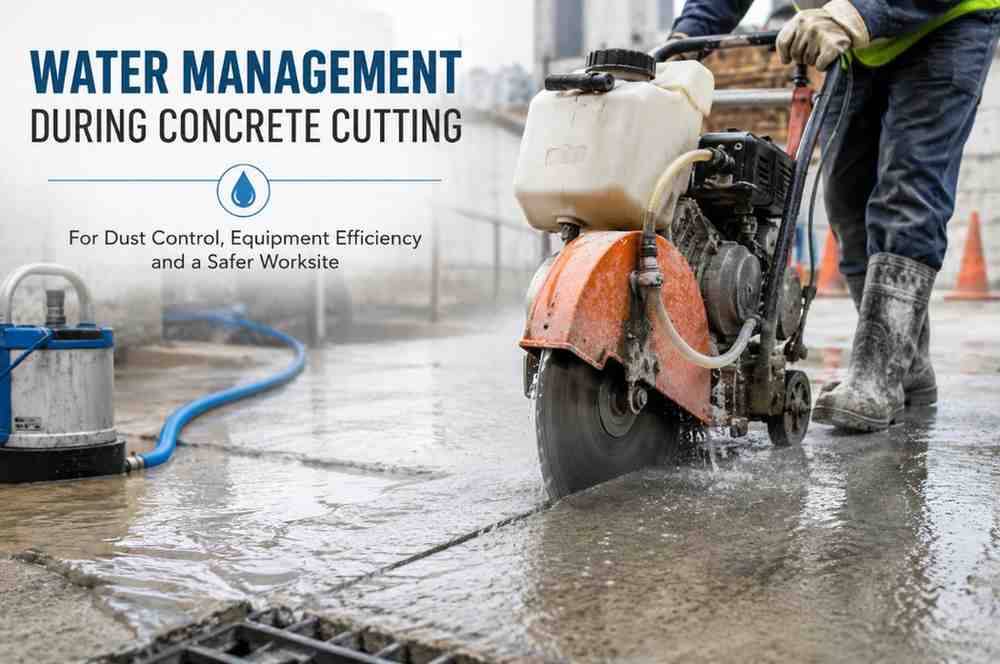
Concrete cutting, core drilling, and surface grinding are foundational elements of modern construction, remodeling, and infrastructure development. Whether creating openings for utilities, modifying structural walls, or leveling slabs, precision cutting is indispensable. However, the preferred method for suppressing hazardous crystalline silica dust is wet cutting, which introduces a new challenge: water management.
When water hits a high-speed diamond blade grinding through concrete, it mixes with fine cement particles and aggregates to form a thick, alkaline byproduct known as concrete slurry. Left unmanaged, this slurry can damage local ecosystems, clog municipal stormwater systems, result in hefty regulatory fines, and create unsafe working conditions.
At [email protected], we emphasize that mastering water management is just as critical as mastering the cut itself. This comprehensive guide explores the complexities of water management during concrete cutting, effective slurry control techniques, regulatory compliance, and advanced dewatering solutions.
Understanding the Problem: What is Concrete Slurry?
Concrete slurry is a liquid mixture of water, rock fragments, sand, and unreacted cementitious materials. While it starts as a simple cooling and dust-suppression medium, its chemical and physical properties make it hazardous waste if mismanaged.
High Alkalinity and Chemical Hazards
Fresh cement has a high pH level, typically ranging between 12 and 13. When water mixes with concrete dust, it forms a caustic solution capable of causing severe skin irritation, chemical burns, and eye damage. If allowed to run off into soil or waterways, this high pH alters ecosystems, posing a lethal threat to aquatic life and vegetation.
The Threat to Infrastructure
One of the most common misconceptions on construction sites is that concrete slurry is harmless liquid waste that can be washed down nearby storm drains. In reality, concrete slurry acts like liquid concrete. Once it settles and dries inside municipal storm pipes or drainage networks, it sets solid—effectively sealing pipes, causing localized flooding, and resulting in massive municipal repair bills.
The Role of Wet Cutting in Dust Suppression
Before diving into water management strategies, it is vital to understand why water is used in the first place.
| Feature | Wet Cutting | Dry Cutting |
| Dust Suppression | Excellent (suppresses up to 94% of respirable silica dust) | Poor (requires heavy vacuum attachments and strict PPE) |
| Blade Lifespan | Extended due to continuous cooling | Short due to high thermal stress and friction |
| Waste Type | Liquid slurry (requires containment and dewatering) | Airborne dust and dry particulates |
| Primary Challenge | Wastewater runoff and slurry management | High risk of acute inhalation and silicosis |
Inhaling fine crystalline silica dust generated during dry cutting leads to silicosis, an incurable and fatal lung disease. Consequently, safety regulations heavily mandate wet cutting or localized dust extraction, making water management an unavoidable operational requirement for contractors.
Core Strategies for Effective Water Management on Job Sites
Effective water management requires a proactive approach, starting before the first cut is made and continuing through final cleanup and disposal.
1. Pre-Job Planning and Containment Setup
-
Map Drainage Paths: Identify all nearby storm drains, catch basins, unpaved terrain, and sensitive environmental zones before cutting.
-
Physical Barriers: Use sandbags, foam blocks, containment berms, or heavy-duty plastic sheeting to create a localized perimeter around the cutting zone. This prevents migration across the slab or job site.
-
Drain Blocking: Temporarily seal off nearby floor drains or stormwater inlets using drain covers or inflatable plugs to prevent accidental runoff ingress.
2. Source Capture via Slurry Vacuum Systems
The most efficient way to manage cutting water is to capture it at the point of generation.
-
Wet-Vac Integration: High-powered industrial wet/dry vacuums equipped with squeegee attachments should follow closely behind hand-held saws or wall saws.
-
Shrouded Blades: Ensure that cutting equipment features properly fitted blade shrouds connected directly to vacuum lines. This captures the water spray instantly, transforming free-flowing runoff into controllable suction flow.
Advanced Slurry Treatment and Dewatering Methods
Once the water and slurry mixture is collected, it cannot simply be dumped into a standard disposal container. It must undergo solid-liquid separation.
[ Raw Slurry Generation ]
        │
        ▼
[ Vacuum Capture & Collection ]
        │
        ▼
[ Coagulation & Flocculation (Polymer Dosing) ]
        │
        ▼
[ Dewatering (Filter Press / Geotextile Bags) ]
        ├──> Solid Filter Cake (Non-hazardous waste disposal / recycling)
        └──> Clean Recycled Water (Reused for cutting / batching)
Geotextile Dewatering Bags
For medium-to-large construction sites, geotextile filtration bags offer an economical, eco-friendly solution.
-
Slurry is pumped into specialized porous fabric bags designed to retain solid particles while allowing clean water to filter through.
-
Polymers or flocculants are often mixed into the slurry beforehand to bind fine particles together, accelerating the filtration process.
Mechanical Filter Presses
Industrial operations frequently utilize automated chamber filter presses. Slurry is pumped under high pressure into chambers lined with filter cloths.
-
Water is forced out through the cloth pores, while solids compress into a dense, dry material known as a filter cake.
-
This filter cake can easily be disposed of as non-hazardous solid waste or repurposed into secondary building aggregates.
-
The extracted water can often be recycled right back into the concrete cutting or diamond grinding machinery, drastically lowering overall water consumption.
Environmental Regulations and Compliance
Environmental protection agencies worldwide enforce strict zero-tolerance policies regarding construction runoff. Discharging untreated concrete washwater into natural water bodies, dry wells, or municipal storm systems violates federal and local water quality laws.
-
Penalties and Fines: Non-compliance results in heavy financial penalties, stop-work orders, and reputational damage.
-
Best Management Practices (BMPs): Contractors must establish a comprehensive Stormwater Pollution Prevention Plan (SWPPP) detailing how slurry will be captured, treated, and hauled away.
-
pH Neutralization: If water is treated for discharge or reuse, testing and adjusting the pH level using carbon dioxide injection or mild acid additives is often required to bring alkalinity down to acceptable environmental thresholds.
Best Practices Checklist for Contractors
To streamline operations and maintain compliance, field teams should follow this structural checklist:
-
Equip Properly: Use saws with integrated water feeds and high-flow industrial vacuum shrouds.
-
Establish Perimeters: Build physical berms around the cutting footprint and seal nearby stormwater drains.
-
Continuous Extraction: Never let water pool unchecked; vacuum slurry continuously during operation.
-
Deploy Dewatering Technology: Utilize settling tanks, mobile filtration units, or geotextile bags to separate solids from liquids.
-
Responsible Disposal: Haul dry filter cakes to approved facilities and ensure liquid disposal complies with local wastewater authority guidelines.
Conclusion
Water management during concrete cutting is far more than a routine cleanup chore—it is a vital operational discipline that safeguards public infrastructure, protects the environment, and ensures legal compliance. By replacing haphazard cleanup methods with structured source capture, advanced dewatering, and proactive planning, construction professionals can maintain clean, safe, and efficient jobsites.
For specialized guidance, professional core cutting services, and expert advice tailored to your project requirements, reach out to us at [email protected]. Let's build sustainably, cleanly, and safely.