
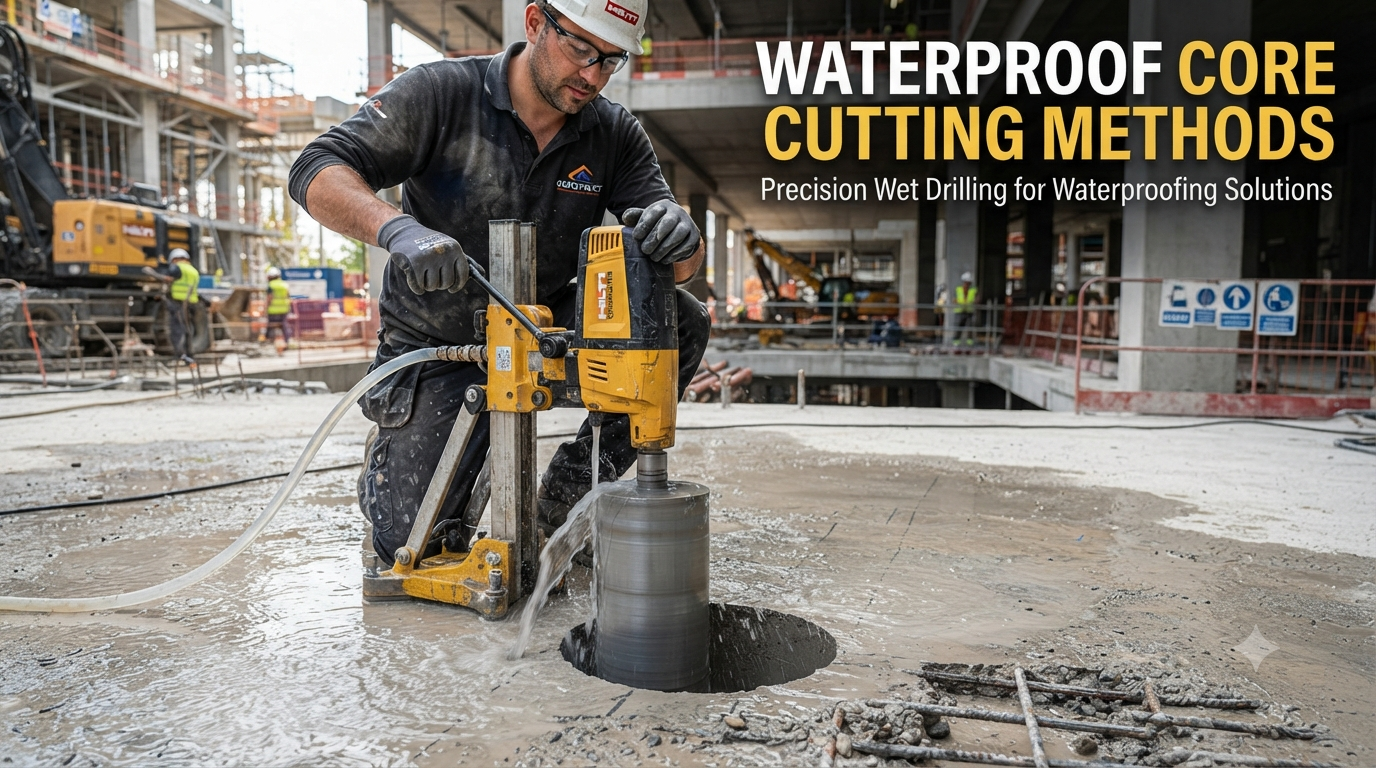
In modern construction, the intersection of precision engineering and moisture protection is critical. Whether you are installing HVAC ducts, plumbing lines, or electrical conduits, the integrity of your structure depends on how you create openings in concrete. This is where waterproof core cutting comes into play.
At [email protected], we understand that a simple hole, if cut incorrectly, can become a gateway for water seepage, leading to long-term structural decay. In this guide, we explore the essential methods, safety protocols, and technical nuances that define professional-grade core cutting in the Indian construction landscape.
What is Waterproof Core Cutting?
Core cutting is the process of drilling precise, circular holes into reinforced concrete (RCC), brick, or stone structures using diamond-tipped drill bits. When we speak of "waterproof" core cutting, we aren't just referring to the act of drilling; we are referring to a methodology that prevents future leaks around the newly created openings.
By using vibration-free diamond technology, professionals can create clean, smooth openings that allow for seamless sealing, ensuring that water cannot penetrate the building envelope.
People Also Ask (PAA)
-
Why is core cutting necessary for waterproofing? It allows for the installation of essential drainage systems, sump pumps, and utility pipes while maintaining a seal that prevents moisture from entering structural foundations.
-
Does core cutting damage the building structure? When performed by experts using proper scanning (like GPR) to avoid rebar and structural beams, core cutting is a precise, non-destructive method that preserves structural integrity.
-
What is the difference between wet and dry core cutting? Wet cutting uses water to cool the diamond bit, reducing dust and extending tool life, whereas dry cutting is used in specific environments where water usage is restricted.
-
How do you prevent leaks after core cutting? Post-cutting, the gap between the pipe and the concrete should be sealed using high-quality waterproof membranes, epoxy sealants, or crystalline water-plugging materials.
The Technical Methodology
1. Preparation and Scanning
Before any drilling occurs, professional contractors perform a site scan. Using Ground Penetrating Radar (GPR) helps locate internal rebar or existing electrical conduits, preventing accidental damage.
2. The Wet Cutting Technique
For most RCC applications, wet cutting is the industry standard. This method involves a constant flow of water through the diamond-tipped bit.
-
Benefits: It minimizes dust, cools the blade (preventing overheating), and ensures a smooth, non-ragged edge that is easier to waterproof later.
3. Precision Drilling
The use of hydraulic or electric-powered rigs ensures that the core drill remains perfectly aligned. This precision is vital for waterproofing because it minimizes the "annular space"—the gap between the pipe and the concrete—making it much easier to seal airtight.
Why Choose Professional Services?
While DIY tools might be available, specialized core cutting requires experience to avoid structural failure. At [email protected], we emphasize these three pillars of our service:
-
Structural Safety: We never compromise on the structural integrity of beams or columns. Detailed structural analysis is performed before any cutting begins.
-
Vibration-Free Execution: Older methods like hammering or jackhammering cause micro-cracks in concrete. Our diamond core drilling is vibration-free, keeping the surrounding structure sound.
-
Dust and Slurry Management: Construction sites must remain clean. Our equipment includes professional slurry collection, ensuring a mess-free project environment.
Best Practices for Sealing Core-Cut Openings
Once the core is cut, the "waterproofing" part of the job begins. Here is how we ensure your building remains protected:
-
Sleeve Installation: Installing a PVC or metal sleeve inside the hole creates a clean interface for the sealant.
-
Water-Plugging: Using specialized grouts that expand upon setting can effectively plug any micro-gaps around the pipe.
-
Membrane Application: For roofs and wet areas, applying a liquid-applied membrane around the penetration point provides a secondary, flexible layer of defense against moisture.
Applications of Core Cutting
The versatility of our services extends across various sectors:
-
Plumbing & HVAC: Creating accurate pathways for risers and ducts.
-
Electrical: Clean openings for complex wiring networks.
-
Infrastructure: Drilling for bridge, road, and tunnel support elements.
-
Structural Testing: Extracting concrete samples to test for quality and strength.
Conclusion: Partnering for Longevity
Waterproofing is not just an additive; it is a fundamental aspect of maintaining the longevity of any building. By integrating professional core cutting with proper sealing techniques, you avoid costly future repairs and ensure a dry, safe environment for occupants.
Whether you are a project manager, a contractor, or a homeowner looking for reliable, precise, and waterproof-conscious drilling, we are here to assist.
Ready to get started? Contact our expert team today at [email protected] for a consultation on your next construction project. Let’s build with precision and protect your investment for years to come.
Target-related searches: RCC core cutting, concrete diamond drilling, professional wall cutting services, waterproof utility installation, core drilling contractors in India, structural core sampling.